Running Facebook Ads Solo? 10 Essential Steps for Small Business Owners
For small business owners without a dedicated marketing team, navigating Facebook Ads can feel overwhelming. This guide breaks down 10 essential steps to help you launch effective campaigns, maximize your budget, and achieve tangible results, even if you're managing everything yourself.
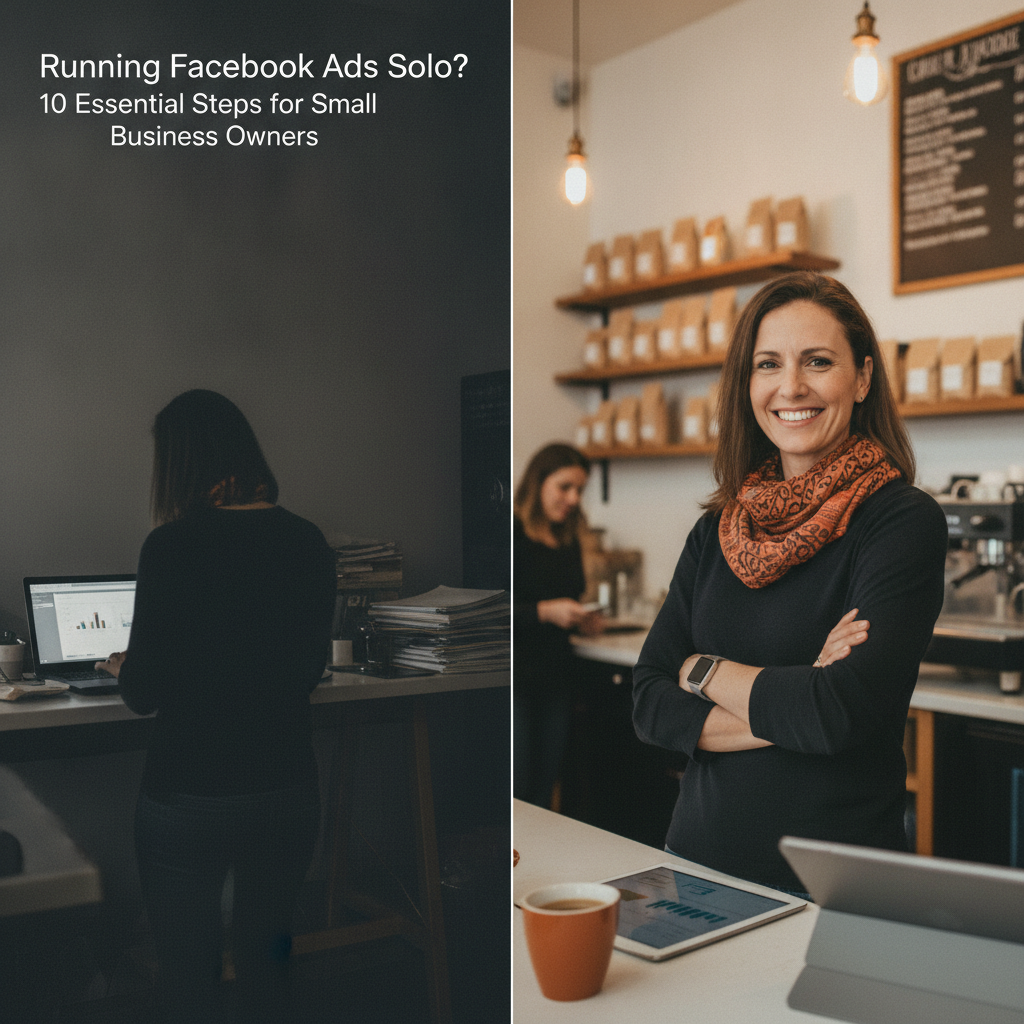
Many small business owners wear multiple hats, often including the role of their own marketing department. When it comes to digital advertising, platforms like Facebook (now Meta Ads) offer immense potential to reach new customers and grow your brand. However, without a dedicated team, the process can seem daunting. This guide is designed to simplify Facebook Ads, providing a clear, step-by-step approach for busy entrepreneurs.
1. Understanding Your Audience on Facebook
Before you spend a single dollar, a deep understanding of who you're trying to reach is paramount. Facebook's strength lies in its ability to target specific demographics and interests.
Demographics and Psychographics
Go beyond basic age and location. Consider their interests, behaviors, online activities, and even their values. What problems do they face that your business solves? What are their aspirations?
Creating Audience Personas
Develop detailed profiles of your ideal customers. Give them names, jobs, and daily routines. This humanizes your target and makes it easier to tailor your messaging. The more specific you are, the more effective your ad campaigns will be.
2. Setting Clear Campaign Objectives
Every ad campaign needs a goal. Without one, you cannot measure success or optimize your efforts. Facebook Ads Manager offers various objectives designed to align with different business goals.
Awareness, Consideration, Conversion
Are you aiming to introduce your brand to new people (Awareness)? Drive traffic to your website or get engagement on a post (Consideration)? Or are you looking for direct sales or leads (Conversion)? Your objective dictates your campaign structure and optimization.
Aligning Objectives with Business Goals
For example, if your business needs more direct sales, choose a "Conversions" objective. If you're launching a new product and need to build buzz, "Brand Awareness" might be more suitable. Clearly define what a successful outcome looks like before you start building your campaign.
3. Crafting Compelling Ad Creative
Your ad creative is what stops the scroll. It needs to be visually appealing and clearly communicate your value proposition.

Image and Video Best Practices
Use high-quality, eye-catching images or short, engaging videos. Ensure they are relevant to your product or service and resonate with your target audience. Test different visuals to see what performs best.
Writing Effective Ad Copy
Your ad copy should be concise, benefit-driven, and include a clear call-to-action (CTA). Address your audience's pain points and offer your solution. Keep it simple and direct.
The Power of A/B Testing
Never assume what will work. A/B test different headlines, images, and copy variations to understand what truly resonates with your audience and drives the best results for your facebook ads.
4. Navigating Facebook Ad Targeting Options
Facebook's robust targeting capabilities allow you to reach incredibly specific groups of people. This is crucial for maximizing your ad spend.
Core Audiences vs. Custom Audiences
Core Audiences: These are defined by demographics, interests, and behaviors available within Facebook Ads Manager. They are excellent for reaching new potential customers based on broad criteria. Custom Audiences: These are built from your existing customer data (e.g., email lists), website visitors, or app users. They are powerful for retargeting and reaching people already familiar with your brand.
Getting value from this article?
Let our bilingual team apply this to your brand — free consult.
Lookalike Audiences for Scaling
Once you have a Custom Audience, you can create Lookalike Audiences. Facebook identifies users with similar characteristics to your existing valuable customers, helping you expand your reach with highly qualified prospects for your facebook ads.

5. Budgeting and Bidding Strategies for Small Businesses
Managing your budget effectively is key to profitability. Don't just set a budget; understand how your spending impacts your results.
Daily vs. Lifetime Budgets
Choosing between a daily and lifetime budget depends on your campaign's duration and flexibility needs. Here's a quick comparison:
| Feature | Daily Budget | Lifetime Budget |
|---|---|---|
| Definition | Average amount spent per day | Total amount spent over campaign duration |
| Flexibility | Daily adjustments possible | Fixed total, Facebook optimizes daily spend |
| Best For | Ongoing campaigns, consistent spend | Fixed-term campaigns, events, promotions |
| Control | More manual control over daily spend | Facebook manages daily fluctuations for total spend |
Understanding Bid Strategies
Facebook offers various bid strategies (e.g., lowest cost, cost cap) that tell the system how to spend your budget. For most solo business owners starting out, "Lowest Cost" is often a good default, allowing Facebook to get you the most results for your budget.
6. Analyzing Performance and Optimizing Campaigns
Launching a campaign is just the beginning. The real work is in monitoring and optimizing your facebook ads.
Key Metrics to Monitor
Focus on metrics that align with your campaign objective. If your goal is conversions, track Cost Per Conversion and Conversion Rate. For awareness, look at Reach and Impressions. Don't get lost in vanity metrics.
Here are 5 key optimization actions to take:
- Adjust Targeting: Refine or expand your audience segments.
- Refresh Creative: Ads can experience "ad fatigue"; introduce new images or videos.
- Optimize Bid Strategy: Experiment with different bidding options if "Lowest Cost" isn't performing as expected.
- Tweak Budget Allocation: Shift budget to better-performing ad sets or campaigns.
- Improve Landing Pages: Ensure the destination after the click is optimized for conversions.
7. Avoiding Common Facebook Ad Mistakes
Even experienced marketers make mistakes. As a solo owner, being aware of common pitfalls can save you time and money.
- Ignoring the Facebook Pixel: This vital tool tracks website actions and enables advanced targeting.
- Not A/B Testing: Relying on a single ad creative or audience is a missed opportunity.
- Running Ads Without a Clear Objective: Wasted spend often stems from unclear goals.
- Poor Landing Page Experience: A great ad can be ruined by a slow or confusing landing page.
- Setting It and Forgetting It: Campaigns require ongoing monitoring and adjustments.

8. How Seek E-Media Empowers Solo Business Owners
While this guide provides essential steps for running Facebook Ads solo, scaling your efforts or tackling more complex strategies can be challenging. Seek E-Media specializes in helping businesses navigate the intricacies of digital advertising, including advanced Facebook Ads strategies. We understand the unique needs of growing businesses and can provide expert guidance to optimize your campaigns, ensuring you get the best possible return on your investment. Whether you need a full-service solution or targeted consulting to fine-tune your existing facebook ads, Seek E-Media offers the expertise to elevate your marketing.
Conclusion
Running Facebook Ads as a small business owner without a dedicated marketing team is entirely achievable with the right approach. By focusing on these 10 essential steps, understanding your audience, setting clear objectives, crafting compelling creative, leveraging smart targeting, managing your budget, and diligently analyzing performance, you can build effective campaigns that drive real growth. Remember, consistency and a willingness to test and learn are your greatest assets. With a structured approach and perhaps a future partnership with experts like Seek E-Media, your Facebook Ads can become a powerful engine for your business.
Frequently Asked Questions
Can a small business run successful Facebook Ads without a marketing team?
Yes, absolutely. By following a structured approach, understanding your audience, and consistently optimizing your campaigns, small business owners can achieve significant success with Facebook Ads, even when managing them solo.
What is the most important first step for Facebook Ad beginners?
The most important first step is to clearly define your target audience and set specific, measurable campaign objectives. Knowing who you want to reach and what you want to achieve will guide all subsequent decisions.
How much should a small business budget for Facebook Ads?
There is no one-size-fits-all answer, but start with a budget you are comfortable testing. Even a small daily budget (e.g., $10-$20) can provide valuable data. Scale up as you see positive results and understand your cost per acquisition.
What kind of ad creative performs best on Facebook?
High-quality, visually appealing images or short, engaging videos that are relevant to your product/service and audience tend to perform best. Always include a clear, benefit-driven call-to-action in your copy.
How often should I check my Facebook Ad campaign performance?
Initially, check your campaigns daily. Once they are stable, you can typically review performance every few days or weekly, making adjustments as needed based on your key metrics.
What is the difference between Core, Custom, and Lookalike Audiences?
Core Audiences are defined by Facebook's built-in demographics, interests, and behaviors. Custom Audiences are built from your own data (e.g., customer lists, website visitors). Lookalike Audiences are created by Facebook to find new people similar to your Custom Audiences.
Is it better to use a daily or lifetime budget for Facebook Ads?
A daily budget is suitable for ongoing campaigns where you want consistent spending each day. A lifetime budget is better for fixed-duration campaigns (like promotions or events) where Facebook can optimize daily spend across the entire period to hit your total budget.