From Manual to Machine: Rebuilding Marketing Around AI
Artificial intelligence is reshaping how businesses engage with customers and optimize campaigns. Discover seven powerful strategies to integrate AI into your marketing efforts, driving efficiency and growth. This guide offers insights for companies looking to leverage AI for market expansion and deeper customer understanding.
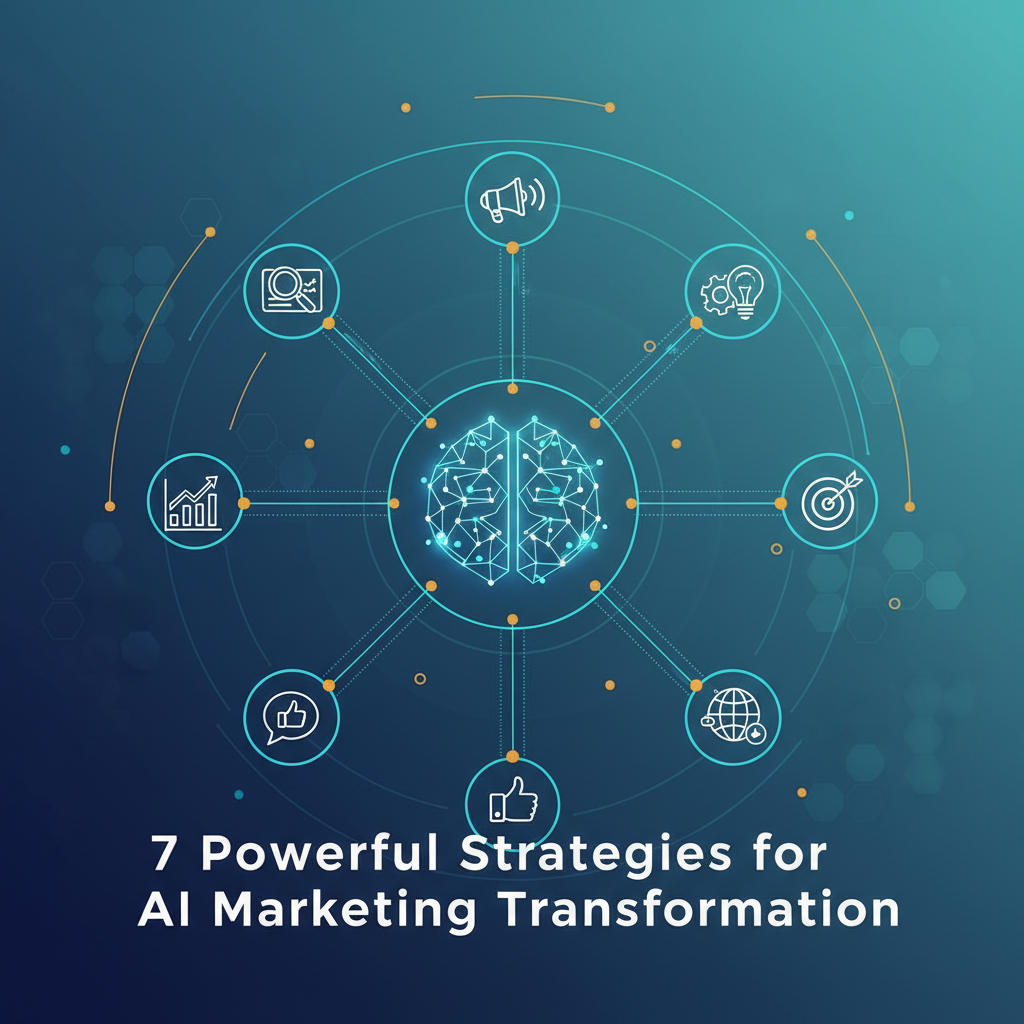
Quick Answer: What is AI Marketing?
AI marketing leverages artificial intelligence technologies to analyze vast datasets, predict customer behavior, and automate marketing tasks, enabling highly personalized, efficient, and data-driven campaigns. It moves beyond traditional methods by continuously learning and adapting to market dynamics and individual customer journeys.
The landscape of digital marketing is undergoing a significant evolution, driven by the capabilities of artificial intelligence. For US companies considering expansion into the dynamic markets of Latin America, understanding and implementing AI marketing is no longer an option but a strategic imperative. AI marketing offers a path to deeper customer insights, optimized campaign performance, and scalable personalization that traditional methods cannot match.
What is AI Marketing?
At its core, AI marketing involves using artificial intelligence software and algorithms to perform tasks that traditionally require human intelligence, but at a speed and scale impossible for humans alone. This includes data analysis, pattern recognition, decision-making, and automation across various marketing functions.
Understanding the Core Concept
AI in marketing is not about replacing human creativity or strategic thinking. Instead, it augments these capabilities, providing marketers with powerful tools to execute more effectively. From automating email sequences to predicting purchasing trends, AI empowers businesses to connect with their audience in more relevant and timely ways.
Key Benefits of AI in Marketing
Integrating AI into marketing strategies offers a multitude of advantages, particularly for businesses navigating new international territories. These benefits translate directly into improved return on investment and enhanced customer relationships.
Enhanced Personalization
AI algorithms can process individual customer data points, browsing history, purchase patterns, demographic information, to create highly personalized experiences. This leads to more relevant content, product recommendations, and targeted advertisements, significantly improving engagement rates.
Optimized Campaign Performance
AI can analyze campaign data in real time, identifying underperforming elements and suggesting adjustments to improve efficiency. This continuous optimization ensures marketing budgets are spent effectively, maximizing reach and conversion rates. For instance, AI can dynamically adjust bidding strategies in paid advertising platforms to achieve specific goals.
Predictive Analytics for Better Decisions
By analyzing historical data, AI can forecast future trends and customer behaviors. This predictive capability allows businesses to anticipate market shifts, identify emerging opportunities, and proactively tailor their marketing efforts, reducing risk and increasing the likelihood of success in new markets like LATAM.
Practical Applications of AI Marketing
AI is not a theoretical concept in marketing; it is actively deployed across various functions, delivering tangible results. Here are some key areas where AI makes a significant impact:
- Content Creation and Curation: AI tools can generate basic content, summarize articles, and even personalize content delivery based on user preferences.
- Customer Service Automation: Chatbots and virtual assistants powered by AI handle routine customer inquiries, providing instant support and freeing human agents for more complex issues.
- Ad Campaign Optimization: AI algorithms manage ad placements, bidding, and audience targeting across platforms, ensuring campaigns reach the most receptive audiences at the optimal time.
- Market Research and Segmentation: AI can rapidly analyze vast amounts of market data to identify trends, segment audiences with greater precision, and uncover unmet needs.
- Sales Forecasting: AI models predict future sales volumes, helping businesses optimize inventory, resource allocation, and promotional strategies.
Consider the difference between AI-driven marketing and traditional approaches:
| Feature | AI Marketing | Traditional Marketing |
|---|---|---|
| Personalization Scale | Hyper-personalized at scale | Broad segmentation, limited scale |
| Data Analysis | Automated, predictive, real-time | Manual, historical, reactive |
| Campaign Optimization | Continuous, algorithm-driven | Periodic, human-driven adjustments |
| Customer Interaction | Automated, 24/7 chatbots | Human agents, limited hours |
| Content Generation | AI-assisted creation, curation | Manual creation |
Implementing AI Marketing: A Step-by-Step Approach
Embarking on an AI marketing journey requires a structured approach. Here's how businesses can begin to integrate AI effectively:
Getting value from this article?
Let our bilingual team apply this to your brand — free consult.
- Assess Current Capabilities: Evaluate existing data infrastructure, marketing tools, and team skills to identify readiness for AI adoption.
- Define Clear Objectives: Determine specific marketing goals AI will help achieve, such as improving lead quality, reducing customer churn, or increasing campaign ROI.
- Choose the Right Tools: Select AI-powered platforms and solutions that align with your objectives and integrate seamlessly with existing systems.
- Start Small and Scale: Begin with pilot projects to test AI effectiveness on specific marketing tasks before rolling out broader implementations.
- Invest in Training: Equip your marketing team with the knowledge and skills to work alongside AI tools, understanding their outputs and capabilities.
- Monitor and Iterate: Continuously track AI performance, gather feedback, and make necessary adjustments to optimize its contribution to marketing efforts.

Challenges and Considerations
While the benefits are substantial, implementing AI marketing is not without its challenges. Addressing these proactively ensures a smoother transition and more successful outcomes.
Data Privacy and Ethics
AI relies heavily on data. Ensuring compliance with data privacy regulations (like GDPR or emerging LATAM data laws) and addressing ethical considerations in AI deployment is paramount. This builds trust with customers and mitigates legal risks.
Ensuring Data Security
Robust cybersecurity measures are crucial to protect the sensitive customer data processed by AI systems. A data breach can severely damage reputation and customer loyalty.
Ethical AI Deployment
Marketers must consider the ethical implications of AI, such as avoiding algorithmic bias that could lead to discriminatory targeting or unfair practices.
Transparency in AI Interactions
For customer-facing AI applications, like chatbots, transparency about AI involvement can enhance user trust and manage expectations effectively.
Integration Complexities
Integrating new AI tools with existing marketing technology stacks can be complex. Compatibility issues and the need for seamless data flow require careful planning and execution.

How Seek E-Media Accelerates Your AI Marketing Journey
Navigating the complexities of AI marketing, especially when expanding into new regions, requires expert guidance. Seek E-Media specializes in helping US companies harness advanced digital strategies for growth. Our team understands the nuances of both AI implementation and market entry into LATAM, providing tailored solutions that drive results. We assist with everything from strategic planning and tool selection to implementation and ongoing optimization, ensuring your AI marketing initiatives are effective and compliant.
The Future of AI Marketing
The trajectory of AI in marketing points towards even greater sophistication and integration. We anticipate more predictive capabilities, truly autonomous campaign management, and hyper-personalized customer journeys becoming the norm. Businesses that embrace AI now, with partners like Seek E-Media, will be well-positioned to lead in these evolving digital frontiers, particularly in high-growth regions.

Frequently Asked Questions
What is AI marketing?
AI marketing utilizes artificial intelligence technologies to automate tasks, analyze data, predict customer behavior, and personalize marketing efforts, leading to more efficient and effective campaigns.
How does AI benefit marketing?
AI benefits marketing by enabling enhanced personalization, optimizing campaign performance through real-time adjustments, providing predictive analytics for better decision-making, and automating repetitive tasks.
What are examples of AI in marketing?
Examples include AI-powered chatbots for customer service, algorithms for ad campaign optimization, content generation tools, predictive analytics for sales forecasting, and personalized product recommendation engines.
Is AI marketing suitable for small businesses?
Yes, AI marketing is increasingly accessible for small businesses through various platforms and tools, allowing them to compete more effectively by automating tasks and gaining deeper customer insights without extensive resources.
What are the main challenges of implementing AI marketing?
Key challenges include ensuring data privacy and ethical AI deployment, integrating new AI tools with existing systems, and the need for skilled personnel to manage and interpret AI outputs.
How can data privacy be maintained with AI marketing?
Maintaining data privacy involves adhering to relevant regulations, implementing robust cybersecurity measures, anonymizing data where possible, and being transparent with customers about data usage.
What is the role of machine learning in AI marketing?
Machine learning is a subset of AI that allows systems to learn from data without explicit programming. In marketing, it powers predictive analytics, personalization algorithms, and optimizes campaign performance by continuously learning from interactions and outcomes.
How can Seek E-Media help with AI marketing implementation?
Seek E-Media provides expert guidance in strategic planning, tool selection, implementation, and optimization of AI marketing initiatives, tailored for businesses expanding into new markets like Latin America, ensuring effective and compliant strategies.